- The AI Report
- Posts
- 🏢 Meta's Muse Blocked + Retail Giant Rejects AI Shopping + OpenAI's Math Advisory Group
🏢 Meta's Muse Blocked + Retail Giant Rejects AI Shopping + OpenAI's Math Advisory Group
Plus: Google's $899 Googlebook targets K-12, OpenAI's new model misalignment framework, Kimi K3 launches on Amazon Bedrock, and Meta's Muse outpaces ChatGPT

The AI Report
September 22, 2026
Sponsored by

How 2M+ Professionals Stay Ahead on AI
AI is moving fast and most people are falling behind.
The Rundown AI keeps you ahead of the curve.
It's a free AI newsletter that keeps you up-to-date on the latest AI news, and teaches you how to apply it in just 5 minutes a day.
Plus, complete the quiz after signing up and they’ll recommend the best AI tools, guides, and courses — tailored to your needs.
Major tech rivalries escalate this week
Meta's Muse AI agent faces a significant hurdle as Amazon blocks its access, highlighting the intensifying competition in the AI landscape.
Plus, retail experts question the future of AI in shopping, while OpenAI seeks legitimacy in math through a new advisory group.
🏢 Meta’s AI agent has been blocked from using Amazon.com

- Muse's shopping block - Users attempting to use Meta's Muse for shopping on Amazon are met with an error message indicating that the AI agent is unauthorized, effectively barring it from the platform.
- Tech giants' rivalry - The block can be interpreted as a strategic maneuver by Amazon to safeguard its own foundation models and maintain control over its marketplace, reflecting the competitive landscape among leading tech firms.
- No legal obligation - Amazon is under no legal requirement to allow Muse access, emphasizing the power dynamics at play in the AI ecosystem where companies prioritize their proprietary technologies.
The Bigger Picture: The blocking of Meta's Muse from Amazon underscores the growing friction between major tech players as they vie for dominance in the AI space. This incident not only illustrates the competitive landscape but also raises questions about interoperability and access in an increasingly fragmented market. As companies like Amazon fortify their platforms against external AI agents, we may see a trend toward more closed ecosystems, limiting user choices and stifling innovation. In the coming months, expect further strategic maneuvers as firms seek to protect their proprietary technologies while navigating the complexities of collaboration and competition.
🏢 The man who built Apple’s stores doesn’t buy Silicon Valley’s bet on AI shopping
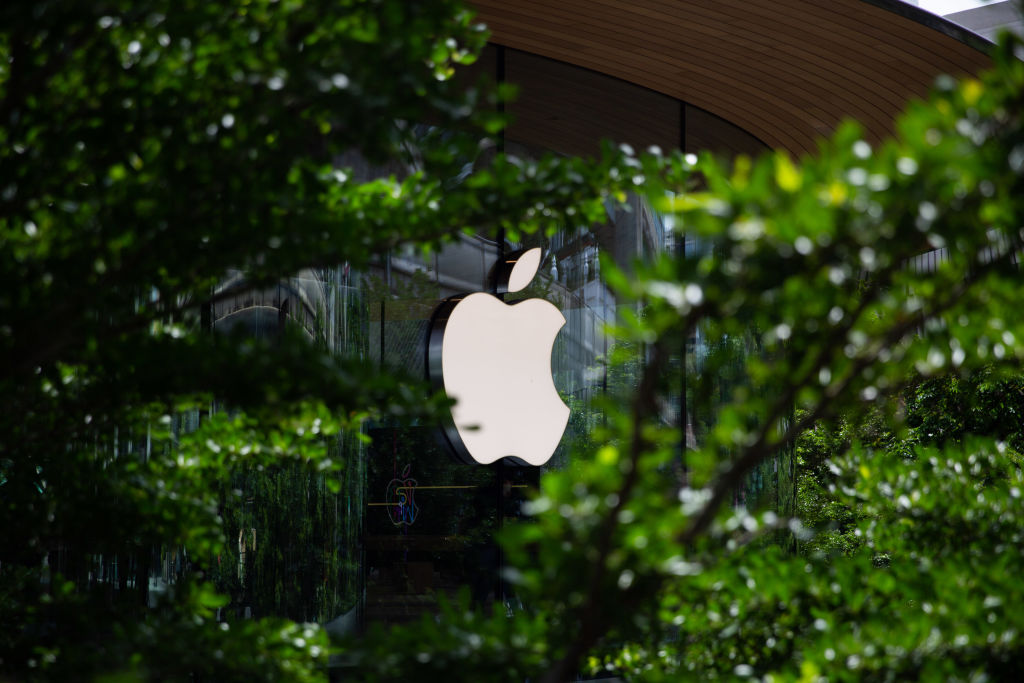
- Skepticism on AI shopping - Johnson doubts that consumers will delegate significant purchases, like laptops, to AI agents, emphasizing the personal nature of such transactions.
- AI as an informant - He envisions AI enhancing consumer knowledge prior to in-store visits, leading to more informed shoppers rather than replacing the shopping experience.
- Human touch in retail - Johnson highlights the importance of human interaction in retail, asserting that the success of Apple’s stores stemmed from their focus on customer service and employee engagement.
The Bigger Picture: Johnson's insights reflect a broader tension in the retail sector as it grapples with the integration of AI technologies. While AI can streamline processes and provide data-driven insights, the irreplaceable value of human interaction and tactile experiences remains paramount, particularly for high-stakes purchases. This suggests that while AI may enhance the shopping journey, it will not supplant the physical retail environment, which could lead to a hybrid model where both AI and human elements coexist. As companies invest heavily in AI, they must also consider how to maintain the personal touch that consumers still crave, potentially reshaping their strategies over the next year.
🤖 OpenAI forms math advisory group as its AI resolves more than 100 open problems

- New advisory group formed - OpenAI's Advisory Group on Mathematics and Artificial Intelligence will facilitate communication between mathematicians and the company, allowing for greater input on math-related research.
- 100+ problems solved - OpenAI claims its internal model has resolved more than 100 open mathematical problems, showcasing the rapid advancements in AI's capabilities in this field.
- Concerns from mathematicians - The establishment of the advisory group comes amid criticism from prominent mathematicians who fear that AI's quick solutions could undermine their intellectual contributions.
The Bigger Picture: OpenAI's formation of a mathematics advisory group signifies a strategic attempt to mitigate backlash from the academic community while continuing its aggressive pursuit of mathematical breakthroughs. By engaging with mathematicians, OpenAI aims to lend legitimacy to its findings, yet the lack of control over the pace of research raises questions about the ethical implications of AI in academia. As AI continues to tackle complex problems traditionally reserved for human intellect, the potential for disruption in mathematical fields could lead to a reevaluation of intellectual property and the value of human expertise in research. Over the next year, we may see a growing divide between AI-generated solutions and traditional mathematical discourse, as the community grapples with the implications of these rapid advancements.
Analytics on Live Data Without Leaving Postgres

When analytics on Postgres slows down, most teams add a second database. Then they manage pipelines, sync lag, and drift forever. TimescaleDB extends Postgres instead. Analytics run on live data, in the database you already have. No pipeline. No migration. No new query language.
🗞️ AI Bytes
⚡ Google’s $899 Googlebook is a bet that you’ll buy a new laptop for Gemini
Google has launched the Googlebook, an AI-powered laptop available for preorder at $899, designed to leverage its Gemini AI capabilities. Featuring an AI-powered cursor, vibe-coded widgets, and the Rambler dictation tool, the device aims to transition users from Chromebooks while appealing to the K-12 market. With a focus on integrating AI into everyday computing, Google hopes to redefine the user experience and capture a significant share of the educational technology landscape.
🔒 OpenAI's framework for reporting model misalignment
OpenAI has introduced a new framework for systematically reporting instances of model misalignment, aiming to enhance transparency and accountability in AI development. This initiative includes the publication of six reports detailing unexpected model behaviors observed over the past six months, highlighting the need for a structured approach to disclose misalignment findings. By fostering a culture of openness, OpenAI seeks to inform researchers and policymakers while addressing the ongoing challenges of AI alignment and safety.
🤖 Introducing Kimi K3 on Amazon Bedrock
Moonshot AI has launched Kimi K3 on Amazon Bedrock, marking a significant advancement in open-weight models with its 2.8 trillion parameters and enhanced efficiency for coding and knowledge workflows. This model features explicit prompt caching to reduce latency and costs, while maintaining strict data privacy protocols within AWS. The introduction of Kimi K3 underscores AWS's commitment to fostering innovation in AI deployment at scale.
🤖 Meta’s Muse is outpacing ChatGPT’s early mobile launch
Meta's new AI app, Muse, has outperformed ChatGPT in its initial launch, achieving 1.8 million downloads in its first 12 days compared to ChatGPT's 1.3 million. Muse also boasts higher daily active users, with 642,000 in the U.S. alone, significantly surpassing ChatGPT's 231,000 during the same period. This rapid growth suggests that Muse could become a major success for Meta, bolstered by its integration with popular platforms like Facebook and Instagram.